
Best No-Pull Dog Harness: What Actually Works?
Updated: Aug 9
If your dog pulls on walks, you’ve probably searched for a “no-pull harness” hoping to find something that will finally make walking easier. There are hundreds of them: front-clip harnesses, back-clip harnesses, tightening harnesses, padded harnesses, and harnesses advertised as “anti-pull,” “no-pull” and even “pull-proof.”
So which one actually works?
Here’s the answer that isn’t quite as exciting as the advertising: no harness can teach a dog not to pull. A good harness can, however, give you better control, make pulling easier to manage and provide a safer, more comfortable way to work on loose-leash walking. And there is a big difference between those things.

What Is a No-Pull Dog Harness?
“No-pull” isn’t really one specific type of harness. It’s a term commonly used for harnesses designed to help owners manage dogs that pull on leash, and many of them use a leash attachment at the front of the dog’s chest rather than attaching the leash only on the dog’s back.
Why does that matter? Because the location of the leash attachment changes the way you can influence the dog’s movement. When a dog pulls into a traditional back attachment, much of that force continues straight ahead, while a properly positioned front attachment can give the handler more ability to redirect the dog’s forward movement.
That doesn’t magically eliminate pulling. It gives you another steering point, and we think that’s an important distinction.
So, Do No-Pull Harnesses Actually Work?
Yes, but perhaps not in the way the name suggests. A no-pull harness can help you manage pulling, but it cannot by itself teach your dog why pulling doesn’t work. Those are two very different jobs.
Think about power steering in a vehicle. Power steering makes the vehicle easier to control, but it doesn’t teach you how to drive. A harness works much the same way.
If your dog has spent three years discovering that pulling gets them to the tree, squirrel, hydrant or interesting smell faster, changing harnesses doesn’t erase three years of learning. What the right harness can do is give you better control while you teach a different behaviour, and that’s where the real improvement happens.
Front Clip vs. Back Clip: What’s the Difference?
For dogs that pull, this is one of the first things we look at. Neither attachment point is automatically “better” in every situation because they perform somewhat different jobs, and the individual dog matters.
Back Leash Attachment
A back attachment is convenient for many everyday walks. For a dog that already walks reasonably well on leash, it may be all that’s required, and many dogs and owners find it a very natural way to walk together.
For a determined puller, however, attaching the leash only at the back doesn’t provide much steering from the front of the dog. You can find yourself pulling backwards while your dog is very enthusiastically travelling in the opposite direction.
Front Leash Attachment
A front attachment gives the handler a point of control closer to the dog’s chest. When the dog surges forward, the handler has greater ability to redirect that forward motion rather than simply pulling backwards against it.
For some dogs, that difference can be substantial. It still doesn’t teach loose-leash walking, but it may make the dog easier to manage while you work on it.
Why We Like Having Both
Dogs aren’t all the same, and neither are walks. That’s why we prefer a harness with both front and back leash attachment points, giving the owner different options depending on the dog, environment and situation.
The front can be useful when additional control is needed, while the back can be useful for regular walking once the dog is moving comfortably. Having both gives the owner choices instead of forcing every dog and every situation into one solution.
The Harness Shouldn’t Stop Pulling by Making Walking Uncomfortable
This is where we become a little more particular about the words “no-pull.” Some harnesses attempt to discourage pulling through tightening or pressure when the dog moves forward, but we would rather start somewhere else: control, fit and freedom of movement.
A walking harness should sit securely on the dog’s body without obvious rubbing, pinching or constantly shifting from side to side. Once you’ve put it on, don’t just admire how good your dog looks in it. Watch the dog move.
Can they walk normally? Can they extend their front legs comfortably? Does the harness remain reasonably stable, or is it rotating around the body whenever leash pressure is applied? Look for rubbing behind the front legs, changes in stride, repeated scratching at the harness, freezing or any other indication that your dog isn’t comfortable.
There is scientific research examining how harnesses affect canine movement, but it’s important not to oversimplify it. Harness design, fit, the individual dog and how the equipment is being used can all matter, which is why we’d rather look at the whole dog than make sweeping claims about one particular harness shape.
The goal isn’t to find the harness with the best marketing terminology. It’s to find one that fits your dog properly.
What Should You Look for in a No-Pull Harness?
If we were helping someone choose a walking harness for a dog that pulls, we’d look beyond the words printed on the packaging. “No-pull” tells us what the manufacturer wants the product to accomplish; it doesn’t tell us whether it’s well made or whether it’s going to fit your particular dog.
Here are the things we’d look at first:
Multiple adjustment points. Dogs of the same weight can have completely different body shapes. Useful adjustment gives you a better chance of achieving a secure, comfortable fit.
Front and back leash attachments. Having both provides different handling options as your dog’s walking skills and environment change.
A stable fit. The harness shouldn’t rotate dramatically around the dog’s body every time leash pressure changes direction.
Room around the front legs. Check carefully for rubbing or interference behind the dog’s legs.
Secure hardware. A walking harness is safety equipment. Buckles, webbing, stitching and leash attachment points deserve just as much attention as colour and appearance.
Appropriate sizing. Buying a larger size because your dog “might grow into it” can create an unsafe fit today.
And perhaps most importantly, watch the dog, not just the size chart. Measurements are where fitting begins, not necessarily where it ends.
How Tight Should a Dog Harness Be?
A harness needs to be snug enough that your dog cannot easily back out of it, but not so tight that it creates unnecessary pressure or rubbing. You’ve probably heard the familiar “two-finger rule,” and while it’s a useful starting point, it isn’t the whole fitting process.
After fitting the harness, take your dog for a short walk and watch what happens when they walk normally, turn left and right, lower their head to sniff, move ahead of you and fall behind you. Put a little normal pressure on the leash and watch whether the harness stays where you fitted it.
A harness that looks perfect while your dog is standing in the kitchen may behave very differently once there’s a dog inside it doing dog things.
Why Is My Dog Still Pulling With a No-Pull Harness?
Because pulling isn’t necessarily an equipment problem. Dogs pull for all kinds of reasons, and understanding why your dog is pulling is often more useful than immediately changing what they’re wearing.
Your dog may be excited, desperate to sniff something, trying to reach another dog or simply repeating a behaviour that has worked hundreds of times before. A dog may also pull or lunge because they’re frightened and trying either to approach or increase their distance from something, which is an entirely different problem from an enthusiastic dog dragging you toward an interesting smell.
Or you may own a hound who has just discovered that something incredibly important happened approximately six hours ago, 400 metres down the road. In that particular moment, you may temporarily cease to exist.
The reason for the pulling matters. A dog pulling toward an interesting smell may require a different approach from a dog lunging and barking because they’re frightened by another dog. If the behaviour is intense, sudden or difficult to manage safely, we’d recommend getting help from an appropriate qualified dog professional rather than simply trying increasingly restrictive equipment.
Can a Harness Make a Dog Pull More?
This gets repeated online a lot, usually with some variation of: “Harnesses make dogs pull because sled dogs wear harnesses.” It’s a catchy explanation, but it’s an oversimplification.
Dogs don’t automatically become sled dogs because you put a harness on them. Equipment alone doesn’t teach loose-leash walking either, and that’s the more important part of the discussion.
If your dog pulls, reaches the thing they wanted and is rewarded by getting to sniff it, they’ve learned something very simple: pulling worked. Changing the equipment can help you manage that behaviour, but changing the behaviour itself requires consistency and training.
How Do You Actually Teach a Dog to Stop Pulling?
Start by making a loose leash valuable. You don’t need military precision, and your dog doesn’t need to spend an entire walk glued to your knee. Walking should still be enjoyable for both ends of the leash.
Reward your dog for checking in with you and for moments when the leash is loose. Change direction before the leash becomes a tow rope, create more distance from distractions when necessary, and don’t forget to let your dog sniff and actually be a dog.
Most importantly, have reasonable expectations. A dog who can walk beautifully in your driveway may temporarily forget everything they’ve ever learned when a rabbit appears, and that doesn’t mean the training isn’t working. Training happens gradually, and the harness is there to help you manage the journey.
Is a No-Pull Harness Right for Every Dog?
No.
Some dogs do beautifully in a properly fitted harness, while others may need a different harness design or another type of walking equipment entirely. Some pulling problems are primarily training problems, and dogs with particular medical, mobility or behavioural concerns may benefit from advice from a veterinarian or qualified behaviour professional.
We’d be suspicious of anyone who says one piece of equipment is the answer for every dog. The best equipment is the equipment that is safe, comfortable and appropriate for the individual dog, even when that means the best answer isn’t something we sell.
So, What Is the Best No-Pull Dog Harness?
We don’t think there’s one harness that’s “best” for every dog. What we do think is that there are some characteristics worth looking for regardless of the name on the label.
The best no-pull harness for your dog should fit their body properly, provide useful control without relying on discomfort and remain reasonably stable while the dog moves. It should offer enough adjustment to achieve a secure fit, use dependable hardware and attachment points, and give the handler an appropriate level of control for that particular dog.
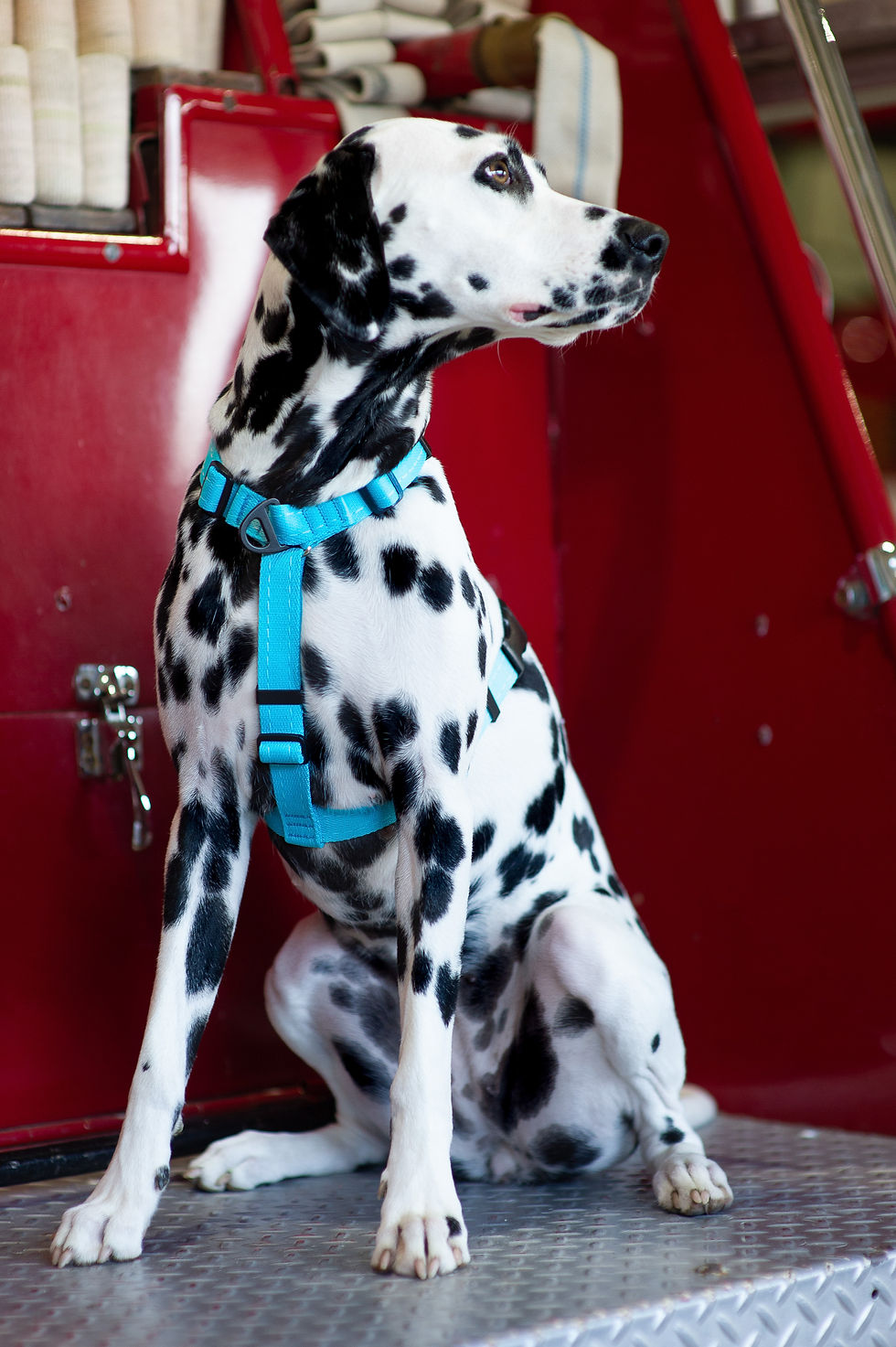
Those principles are also behind the way we designed our own JettaJacks Fluid Motion Harness. It uses a Y-style configuration, multiple adjustment points on most sizes, and both front and back leash attachment options so owners can choose the setup that works best for their dog and their walk.
But we’re going to say something unusual for a company that makes dog harnesses:
Don’t buy ours simply because we told you it’s the best.
There isn’t one “best” harness. Look at how a harness is constructed, look at the adjustment, look at where the straps sit, look at the hardware, put it on your dog and then watch your dog move.
Because the best harness isn’t the one with the biggest “NO-PULL” label on the package. It’s the one that fits your dog, gives you appropriate control and helps the two of you enjoy walking together.
Frequently Asked Questions
What type of harness is best for a dog that pulls?
For many pulling dogs, a well-fitted harness with a front leash attachment can provide additional steering and control. Having both front and back attachment points gives owners more flexibility, but the dog’s individual shape, behaviour and walking needs should determine the final choice.
Will a no-pull harness stop my dog from pulling completely?
Not necessarily. A harness can make pulling easier to manage, but loose-leash walking is a learned behaviour. Equipment and training work best together rather than expecting the equipment to do all of the work.
Are front-clip harnesses better for pulling dogs?
A front attachment can provide greater ability to redirect a dog’s forward movement. Whether it is the best choice depends on the dog’s size, shape, behaviour, fit and walking needs, which is another reason we don’t like declaring one design universally “best.”
Should a dog harness be tight or loose?
It should be secure without pinching or rubbing. Check the fit while the dog is standing and then check it again while they’re walking, turning and sniffing, making sure the harness stays reasonably stable and your dog cannot easily back out of it.
Can a poorly fitted harness hurt a dog?
A poor fit can contribute to rubbing, concentrated pressure, shifting and interference with comfortable movement. If your dog changes their gait, repeatedly scratches at the harness, freezes or otherwise seems uncomfortable, stop and reassess the fit and design.
Is a harness better than a collar for a dog that pulls?
A harness distributes leash forces differently from a neck collar and can provide owners with additional control. The best choice depends on the individual dog, and dogs with medical concerns should be assessed by their veterinarian.
Does a no-pull harness replace leash training?
No. Think of the harness as management equipment that can help you communicate with and control your dog safely. Training is what teaches the behaviour you actually want.

Todd Caverly is the founder of JettaJacks & Co., a Canadian dog gear company founded in 2016. His experience comes from designing and manufacturing dog walking equipment, fitting dogs of countless shapes and sizes, working directly with dog owners and, perhaps most importantly, living with dogs who don’t always read the instruction manual.


Comments